Before the stories, there was the word. And the word survived everything
BEFORE THE BOOKS
There were no printing presses. No libraries. No servers storing data in the cloud. There was
only the human voice, passing fire from one generation to the next — carried across frozen
seas, through long winters that swallowed the sun whole, in the halls where men gathered
close and listened.
This is how the Norse myths survived. Not in ink — in breath. In the mouths of skalds who
memorised thousands of lines of verse and recited them with the kind of precision we now
reserve for machines. The stories of Odin and Thor, of Jörmungandr coiled beneath the
ocean, of Ragnarök and the end of all things — they lived in people before they ever lived on a
page.
“The word survived everything.”
THE WRITER IN THE DARKNESS
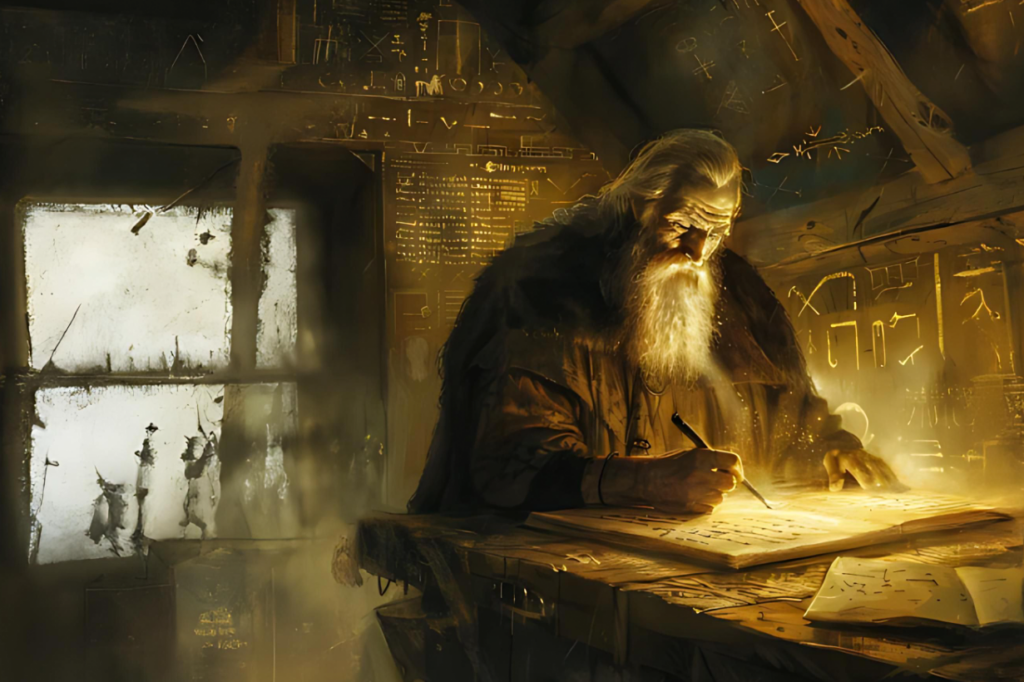
Then came Iceland. The thirteenth century. A world still half-Viking, half-Christian, caught
between the old gods and a new one. And in that strange, volcanic island at the edge of the
known world, a man decided the old stories were worth saving.
His name was Snorri Sturluson. Politician. Chieftain. Poet. And, as it turned out, the single
most important person in the preservation of Norse mythology as we know it today.
He wrote what we now call the Prose Edda — a handbook of Norse mythology and poetic
tradition, written not for priests or kings, but for young poets who needed to understand the old
stories to write in the old style. It was, in a sense, a creative writing manual for a civilisation
already beginning to forget itself.
Without Snorri, much of what we know about Odin would be gone. Thor would be little more
than a name on a runic stone. Jörmungandr — the World Serpent — would sleep undisturbed
beneath history, unknown to anyone.
TWO EDDAS. ONE WORLD.
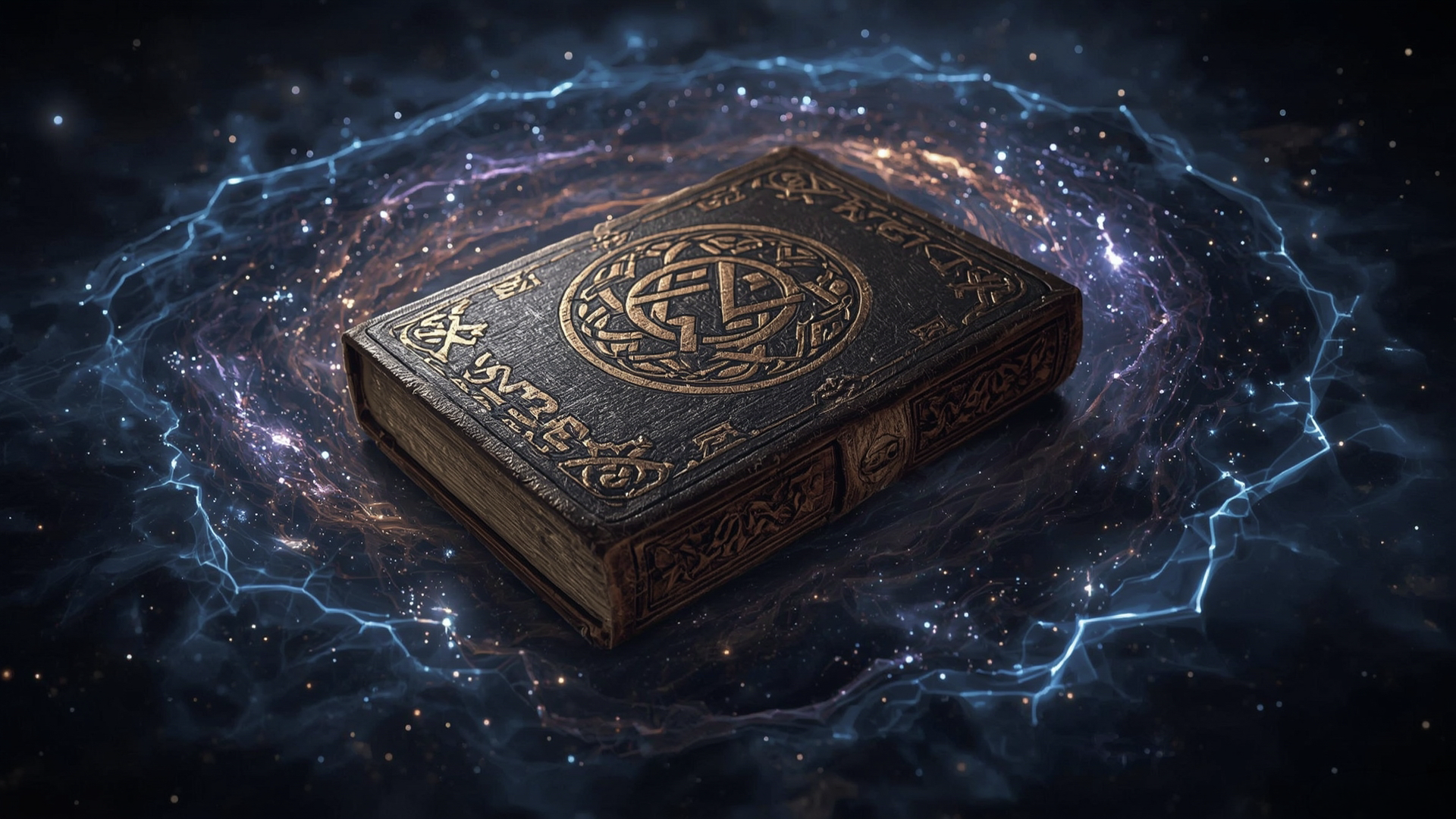
There are two texts we call the Edda. They are not the same book. They were not written by
the same hand. But together, they form the closest thing we have to a complete window into
the Norse mythological universe.
The Prose Edda — Snorri’s work — reads like a guided tour. Structured, explanatory,
sometimes almost conversational. Snorri wanted his reader to understand. He named the
gods, told their stories, explained the kennings — those layered poetic metaphors the Vikings
used to describe the world. The sea is the ‘whale-road’. A sword is the ‘wound-snake’. Poetry
was a technology, and Snorri preserved the source code.
The Poetic Edda is something else entirely. Older. Stranger. A collection of poems gathered
from oral tradition, written down by unknown hands, discovered in a manuscript called the
Codex Regius — the King’s Book — found in Iceland in 1643, having survived centuries in the
dark.
Where the Prose Edda explains, the Poetic Edda feels. It does not guide you through the
Norse world. It drops you inside it. These are the poems the Vikings actually recited. Raw.
Rhythmic. Built for firelight.
“Built for firelight — and still burning